
How to scale global retail pipelines without diluting the currency of absolute exclusivity.
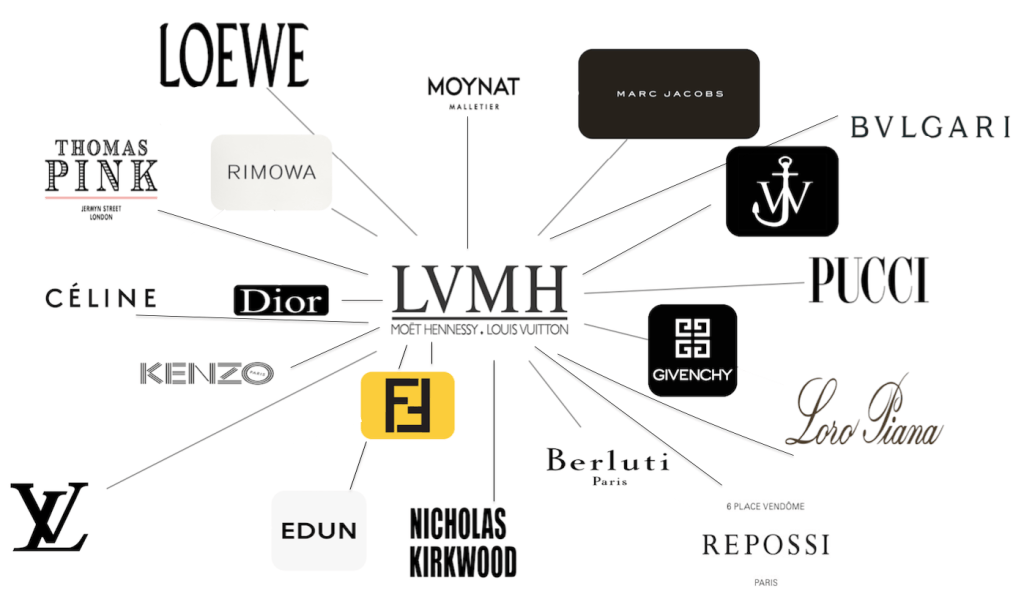
The operational architecture of ultra-luxury conglomerates faces a systematic paradox: how to scale global retail pipelines without diluting the currency of absolute exclusivity.
For heritage Maisons, the metric of growth can no longer rely on volume. In the 2027 market cycle, hyper-visibility threatens luxury equity. When a premium brand over-saturates the marketplace to satisfy immediate fiscal quotas, they are not expanding market penetration—they are engineering long-term brand dilution.
The top 2–4% of luxury clientele drives 30–40% of total market spending (McKinsey), while the industry’s broader consumer base contracted from roughly 400 million to 340 million between 2022 and 2025 (Bain) — reinforcing the strategic pivot toward high-value VIC engagement over volume-driven growth
True luxury preservation lives in the deliberate enforcement of visual and physical scarcity. To lead a cross-border retail operation or direct an international brand integration requires a strict operational restructuring. We must transition from standard inventory distribution to complex demand engineering.
Behind every premium asset, the logistics must treat supply chain mechanisms not just as a cost center, but as a profound piece of curatorial architecture. The future of high-end marketplace dominance doesn’t belong to high-volume output; it belongs to the architects who possess the analytical discipline to balance uncompromised heritage prestige with clean, future-proof capacity planning.
Analytical Grounding:
On Bain & Company (consumer base contraction):
Reports based on Bain’s study indicate that inflated prices and a creativity crisis have cost luxury brands 60 to 70 million customers over the last two years, reducing the customer base by about 18% to roughly 330 million shoppers. A more recent Bain figure shows the number of luxury consumers dropped from 400 million in 2022 to around 340 million in 2025.
On McKinsey (concentration of spend):
Big spenders represent only 2-4% of the luxury clientele, yet they currently contribute to 30-40% of market spending. Separately, aspirational luxury consumers account for 18 percent of the total fashion market value, and 50 percent of the luxury market’s value.
By Aries Rivera


Leave a comment